
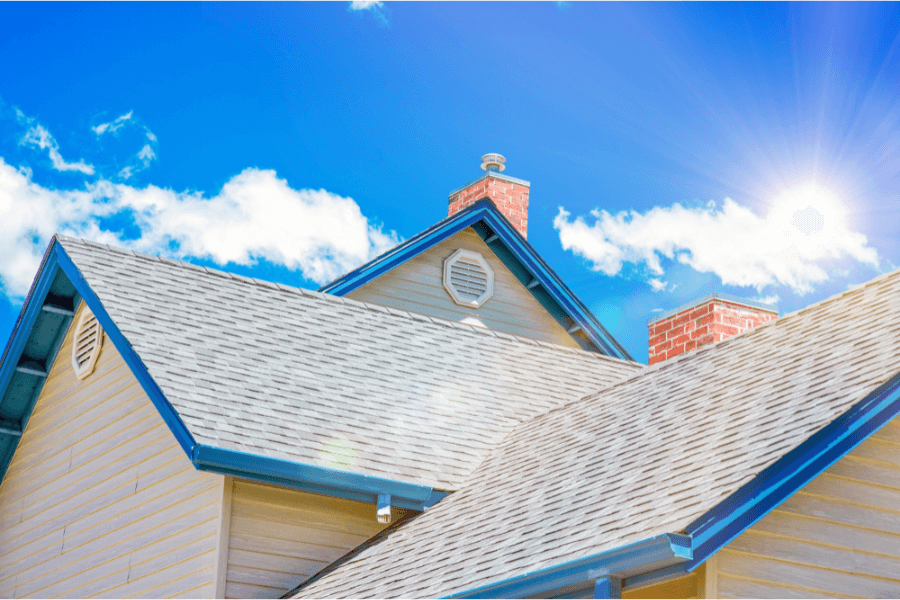
Arizona’s climate, which usually has long-term intense sunlight punctuated by monsoon rains, is harsh on roofs.[1] The intense solar radiation dries and deteriorates roofing material, especially asphalt shingles. So, the roof cannot withstand heavy rains, and the collateral effects of these rains, such as downed tree limbs. This makes you wonder what constitutes durable roofs against the Arizona weather.
High winds and the dust storms these high winds create are also often an issue. The wind propels the dust particles at such high speeds that it’s almost like pointing a shotgun at your roof and pulling the trigger.
Severe weather in Arizona is cyclical and constant. Storm A might not damage your roof. But Storm A weakens your roof, making it less able to withstand Storm B, and so on through the alphabet. At Four Peaks Roofing, we help homeowners prepare for the next storm. A stitch in time saves nine. Reinforcing your roof now reduces the possibility of needing a roof replacement later.
1. Clear Lawn Clutter
Wind transforms dust particles into high-speed projectiles. It has the same effect on larger objects, like toys, planters, and lawn furniture. Remove all loose items from the lawn before a storm.
2. Upgrade to Durable Roofing Materials
To continue with the shotgun analogy, impact-resistant materials are like bulletproof vests on your roof. This change might be the most cost-effective reinforcement. It offers the most protection at a relatively low price.
Asphalt shingle roofs sorely need this additional protection. Slate and concrete tile roofs are mainly impervious to dust and debris unless we have a hundred-year storm.
3. Maintain Proper Attic Insulation
Proper attic insulation and ventilation ensure the roof doesn’t absorb heat and damage the shingles. Furthermore, keeping your roof clean and dry can also avoid moisture-related issues like mold growth and roof leaks. Proper attic insulation and ventilation can also help maintain the right temperature in your home regardless of the weather conditions outside.
4. Reinforce the Structure for Durable Roofs
A roof is like an umbrella. It shields the house from the elements as long as it tightly holds the umbrella. Okay, that analogy broke down, but you get the idea.
The roof’s underlying structure helps hold tiles and shingles in place. Fewer gaps and creases mean fewer water leaks. Over time, even a tiny trickle of water that’s invisible to the naked eye could practically destroy your roof.
Now is an excellent time to discuss roof reinforcement and insurance claims. Insurance companies are much more likely to pay storm damage claims if homeowners can prove they properly maintained their property.
On a related note, frequently review your insurance policy to determine what is covered and what isn’t. Make sure to get a policy that can offer you the best coverage depending on your local area because many policies don’t consider the local weather conditions.
5. Maintain Gutters for Durable Roofs
A roof installation contractor must install durable roofs or reinforce the underlying structure. Gutter maintenance is up to homeowners.
Well-maintained gutters direct rainwater away from your home, even after a significant monsoon downpour. Clean gutters and downspouts prevent clogs leading to water backup and roof leaks. As additional reinforcement, consider installing gutter guards to reduce the accumulation of debris and make the maintenance process easier.
6. Trim Branches
Proper landscaping might be the easiest and most effective way to protect your roof. Scraping branches scratch tiles. Fallen branches cause even more damage. Furthermore, dropping leaves and other debris clog gutters.
7. Secure Shingles and Flashing for Durable Roofs
Most home improvement stores sell construction adhesives, like caulk. This adhesive usually keeps shingles securely attached to the house during bad storms. Metal and tile roofs are self-reinforced. These roofing materials last the longest and are much heavier than wood shingles.
The flashing around chimneys, skylights, and vents might be the roof’s most vulnerable areas. These areas almost always leak unless adequately sealed.
8. Schedule Regular, Professional Inspections
If you ignored the other tips in this blog, pay attention to this one. Scheduling regular inspections and following up on the inspector’s recommendations covers everything.
Inspections create a paper trail for insurance adjusters. As a bonus, homeowners don’t have to keep track of these records. If the need arises, call us, and we’ll speak with the adjuster, provide documents, and put in a good word for you.
Also, as mentioned above, roof damage could be invisible to the naked eye. On the other hand, professional inspectors quickly identify potential problem areas and offer homeowners several possible solutions.
Sometimes, we provide the solution by repairing or replacing your roof. Other times, we refer homeowners to other contractors who trim trees, clean gutters, and take care of other unpleasant tasks.
Contact us at Four Peaks Roofing to learn more about roof reinforcement.
Sources:
[1] https://azgs.arizona.edu/center-natural-hazards/severe-weather

