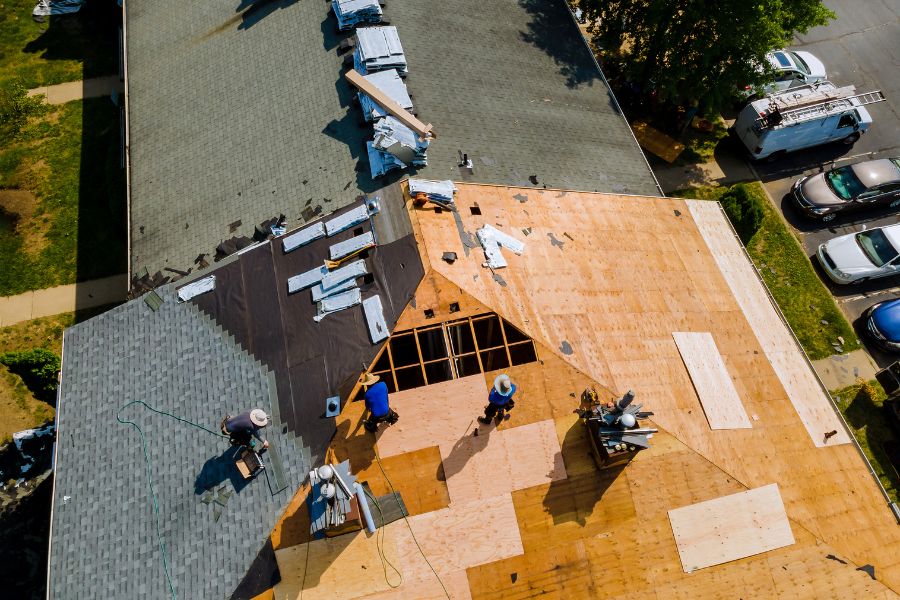
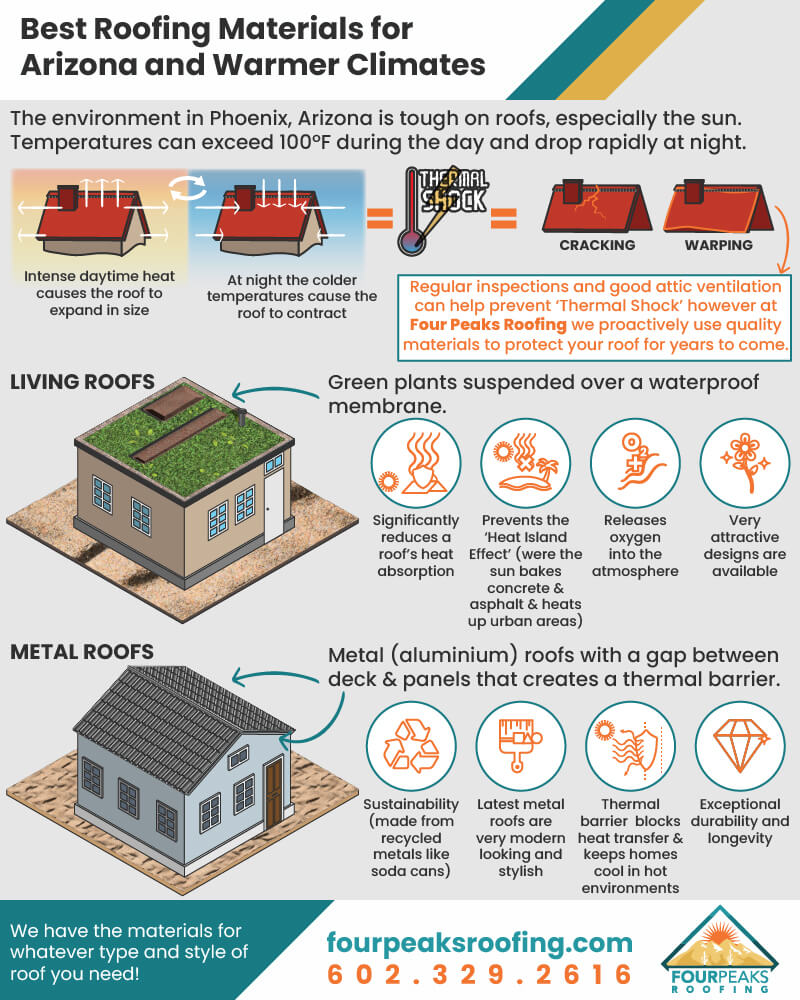
Phoenix, Arizona roofing absorbs lots of wear and tear from damaging elements, especially the sun. For instance, heat causes thermal shock.[1] In Arizona, summer daytime temperatures regularly exceed 100 degrees, and the temperature drops sharply when the sun goes down. Heat fluctuation expands and contracts roofing materials. Over time, these radical changes weaken the overall integrity of the roof structure and could cause a roof to split or warp.
Regular inspections, proper attic ventilation, and other steps manage problems like a thermal shock. But at Four Peaks Roofing, we believe in taking a more proactive approach. Our Phoenix area roofing pros typically use one of the roofing materials listed below in new construction or re-roofing projects. These low-maintenance and high-quality roofing materials help ensure that your home is well-protected from the sun, and other harsh elements, for years to come.
Living Roofs
Grass and moss might seem like improbable materials for a Phoenix area roof. But these green roofs are gaining popularity, especially in hot weather locations.
Green plants suspended over a waterproof membrane significantly reduce heat absorption and avoid what scientists call the heat island effect. During the day, the sun bakes concrete and asphalt, making urban areas much hotter than rural areas. Additionally, green roofs release oxygen into the air and are very eye-catching.
Metal Roofs
We move from a Phoenix, Arizona, roofing material that almost no one uses to a material used in over 10 percent of new construction projects.[2] Metal roofs got a terrible reputation in the 1980s and 1990s. Back then, cheap-looking metal roofs dominated the market, only suitable for barns, sheds, and utility structures. Today’s metal roofs are not your father’s metal roofs. Also, like grass roofs, metal roofs are environmentally sustainable. They’re usually made from recycled metal, such as aluminum cans.
Metal roof appeal goes beyond sustainability and attractiveness. Aluminum roofs have a gap between the deck and the panels. This dead space is essentially a thermal barrier, blocking heat transference from the roof to the interiors below and significantly reducing cooling costs in hot environments.
Rubber Roofs
Technically, a “cool roof” contains EDPM (ethylene propylene diene monomer) instead of rubber. But for most purposes, these materials are the same. EDPM resists UV radiation and reduces heat when coated with titanium dioxide. This light-colored coating allows EDPM roofs to reflect sunlight.
There’s a possible downside. For instance, according to one study, the chemicals in EDPM roofs reduce rainfall.[3]
Concrete Slabs
These Phoenix, Arizona, roofing materials are popular choices for people who like the appearance and qualities of ceramic tile roofs but don’t like the price. Thick, heavy concrete slabs don’t heat as quickly, thus reducing home cooling costs.
Quite frankly, street concrete is an ugly roof. For this reason, many vendors add colored dyes to concrete tiles. Additionally, our installers place the tiles in a beautiful weave pattern. This pattern also improves airflow between the decking and the roof surface. An S-pattern weave thus reduces heat transfer, and therefore cooling costs, even further.

Ceramic Tile/Terra Cotta Roofs
Terra-Cotta materials are an excellent choice for those hoping to capture a bit of Spanish colonial style. But appearance is not the only reason this roofing material is so prevalent throughout Arizona and the Southwest. Terra-cotta is Italian for “cooked earth” in Italian. Ceramic tile roofs bake in the sun like a clay pot in a kiln. This process makes clay pots and ceramic roofs extremely resilient. So, the hot sun becomes a benefit instead of a hazard.
The curved shape of the tiles makes a difference as well. The unusual shape isn’t just an aesthetic quality. It allows air to circulate below the surface of those tiles, keeping roof temperatures and home interior temperatures lower.
These roofs generally last fifty years at the minimum and, in most cases, much longer. Except for a few replaced tiles here and there, many old Spanish colonial residences still have their original ceramic tile roofs.
Contact Our Phoenix Area Roofing Professionals
At Four Peaks Roofing, we do whatever it takes to install your new roof on time and under budget. To start the process, go online now or give us a call.
Sources:
[1] https://www.sciencedirect.com/topics/chemistry/thermal-shock
[2] https://www.metalroofing.com/v2/content/press_center/releases/2016-market-share-release-MRA.pdf
[3] https://www.scientificamerican.com/article/cool-roofs-may-have-side-effects-on-regional-rainfall/

